Original source: belarus
Arrival and transfer to the first birding base. Daily timing and exact routing can be adjusted around weather, access and current sightings.

 Duration8 Days
 Group Size2-15 guests
 FocusForests and wetlands
 BaseBelarus
Belarus is presented in the old Branta programme as one of Europe's most intact natural areas, rich in boreal forest, wetlands, open mires and floodplain habitats.
The route focuses on forest birds, owls, woodpeckers, aquatic warbler habitats and classic Eastern European wetland birding.
The following section preserves the complete information available from the original Branta Tours PHP page(s) for this tour.
Tour Party Hans Wulfsberg (Denmark) Rob Skinner (UK) Pavel Simeonov (Branta-Tours) Dima Shamovich (based Krasny Bor)
May 15 Raven, Tree Sparrow, Wood Warbler & two more Woodpeckers were added to the tally....Black & Great-spotted. 2nd night @ Doroshevichy Lodge. May 16 May 17 May 18 Arrived at Domzheritzy hotel in Berezinsky Biosphere Reserve around dusk for a single night stay. Quick view on Pine Martin crossing our route before diner. Weather well & truly overcast. May 19 May 20
|
May21 May22 May23 May 24 May 25 General Comments: Food: General: Species List
|
Voyage naturaliste en Biélorussie du 08 au 22 mai 2009: Rapport de voyage Lieux: Réserve de Krasny Bor au Nord du pays, Réserve de Biosphère de Berezinski située au centre, Réserve de Sporovo à l'extrême SW, région du Parc National de Pripyatski située au Sud du pays.  Participants: Jean-Michel LOGEAIS, Gil VAILLANT, Hugo VAILLANT, Bernard TILLY, Alain BAJAN-BANASZAK, Monique LEPAGE veuve BAZELIS, Jean-Paul ROUX, David BISMUTH, Michel CHARRIER. Guide: Pavel Simeonov (Branta-Tours)
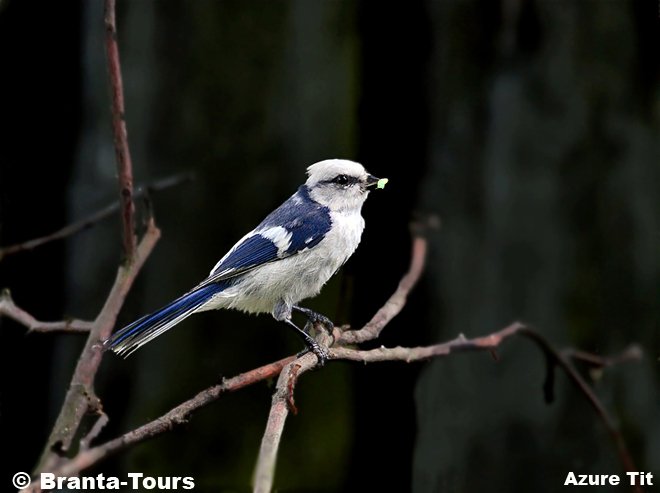
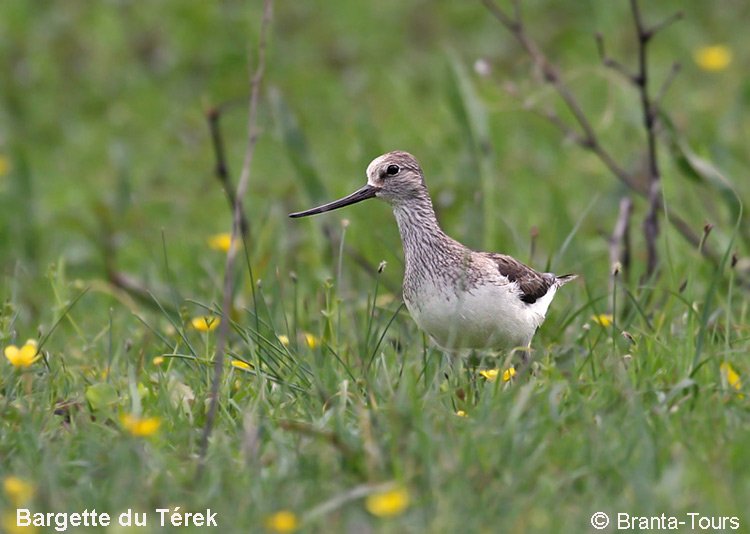
Préambule: Le Belarus couvre une superficie de 207 600 km². Sa partie nord se caractérise par de vastes forêts de conifères (la taïga) et de nombreux lacs, des tourbières et des rivières. La partie sud du pays, la Polésie, est constituée de marais, de forêts de chênes et de prairies humides traversées par des rivières qui débordent au printemps. Les conditions naturelles, sociales et politiques ont permis la conservation de vastes écosystèmes qui ont souvent disparu dans le reste de l'Europe. Le pays reste méconnu des observateurs de l'Ouest de l'Europe, du fait notamment d'un régime assez fermé: pourtant il offre la possibilité de découvrir des espèces nicheuses très attractives comme le Chevalier bargette, la Bécassine double, la Mésange azurée, l'Aigle criard, le Phragmite aquatique (principale population mondiale), la Chevêchette d'Europe, les Chouettes lapone et de l'Oural ou toutes les espèces des pics d'Europe. Nous avons participé du 9 au 22 mai 2009 à un séjour organisé par Branta-Tours (www.branta-tours.com) et guidé par Pavel Simeonov et des professionnels locaux. Le groupe était constitué d'une dizaine d'observateurs français.Abstract: Belarus covers an area of 207.600 km². Its northern part (the Lake District) is characterized by vast coniferous forests and numerous lakes, bogs and rivers. The southern part of the country, known as Polesie, has a landscape made up of fens and transition mires, as well as broad-leafed forests traversed by plain rivers with waterlogged floodplains. The natural, social and political conditions in Belarus have favorised the formation and the conservation of several ecosystems, animals and plants that are rare or threatened in Europe. Belarus has preserved vast natural landscapes, such as river floodplains (i.e. the Prypiat´s floodplain) and wetlands. Large tracts of raised pine bogs, impressive mature mixed forests dominated by spruce, birch and aspen, all types of marshes and bogs, well-conserved floodplains (such as the one of the Prypiat river) offer numerous opportunities to watch several sought after-species like Terek Sandpiper, Great Snipe, Pygmy, Ural and Great Grey Owls, Lesser Spotted and Greater Spotted Eagles, Three-toed and White-backed Woodpeckers, Azure Tit, Aquatic Warbler (the main population in the World), Greenish & Blyth´s Reed Warblers and numerous oriental passerines, raptors and waders.Brown Bear, Wolf and Lynx are representatives of the major carnivores; Raccoon Dog and Pine Marten are among small predators. European Bison, Beaver, Elk and Wild Boar are also well presented. In May 2009, we participated in a tour organized by Branta-Tours and guided by Pavel Simeonov and local guides, visiting different natural areas from the north to the south of the country with an outstanding bird tally of 192 species recorded in fifteen days. |
 |  | ||
Belarus - Berezinsky Biosphere Reserve Presentation of Belarus and Berezinsky reserve: Berezinski reserve - area 110,000 haBerezinsky Biosphere reserve is located in the north-east of Belarus, not far from its capital city of Minsk. It was established in 1925 to protect a remnant population of Beavers, achieving World Biosphere Reserve in 1979. In 1995 the site received the Council of Europe's Diploma Forest cover, including many primeval stands, extends over 80% of the area. There are 7 big lakes and 69 rivers, the most significant and historically famous of which is the Berezina, located at the watershed of an ancient water system linking The Black and the Baltic Sea, plus all types of marshes and bogs. The reserve homes 230 bird species of which 180 are breeding. Birdlife includes particularly good representations of woodpeckers, including White-Backed and Three-toed. The high proportion of forests provides an abundance of bird species, such as Black and Hazel grouses, Capercaillie, Woodcock, and Wood pigeon. Breeding raptors include Montagu's harrier, Osprey, White-tailed, Short-toed, Greater spotted and Lesser spotted Eagles as well as Ural, Little, Eagle and Tengmalm's owls. Great Gray Owl is one of the rarest bird species of the reserve. Wetlands and lakes contain large numbers of waterfowl and water-side birds. Spotted crake and the globally threatened Corncrake are common on breeding here. A substantial breeding population of the Bittern has also been recorded. Nutcraker, a typical Taiga species, can be encountered in spruce forests along the boundaries of the mire. In autumn and spring the mire serves a long-term resting ground for ten of thousands of geese and other migrating species. We focus also on small passerines like Yellow-headed Wagtail, Crested Tit, Scarlet Rosefinch, Redwing, Thrush nightingale, Barred, Grasshopper, Aquatic and warblers and many other interesting species.
Presentation of the lodges and huts available in Berezinsky Reserve
Pre-tour information Leadership Accommodation We provide comfortable accommodation for individuals or small groups at : *** DOMZJERITZY HOTEL is a highly attractive and recently restored establishment overlooking the Reserve, with all high-level conveniences, 12 en suite twin-bedded rooms complete with TV. Price includes: Price excludes: Air Travel This is entirely optional leaving you completely free to make personally your flight reservations and to pursue your travel arrangements with an airline company or your own travel agent. Please contact us if you would like further clarification: branta_tours@yahoo.com
|
| |
Belarus - Berezinsky Biosphere Reserve Presentation of itineraries Itinerary one: September , April Day 1 Arrival to Minsk airport, transfer by bus to Berezinsky Biosphere reserve, welcome and presentation of the site, visit to the Natural Museum and the village of Domzheritsy. Accommodation at Domzjeritzy. Day 2 In the morning watching migration and foraging of Bean and White-fronted Geese, Black Grouse (lekking), Goshawk, Nutcracker, Lapwing at Uskromje (abandoned hamlet) on the western boundary of the reserve. In the afternoon bird watching (Great Crested Grebe, Grey Heron, Whopper Swan, Whigeon, Teal, Garganey, Shoveler, Goldeneye, Pochard, Scaup, Marsh Harrier, Osprey) on Lake Bereshcha in the hunting ground adjacent to the reserve. Day 3 All day is spent in the Bison area in the south part of the reserve where we can observe tracks of Wolf and Brown Bear activities. Good chance to encounter Bluethroat, Great Grey Shrike and visit Great Grey Owl habitat where two pairs breed irregularly. You can also observe here Lesser Spotted Eagle, White-backed Woodpecker and Grey Crane. Days 4-5 Boat trip on the Berezina River. We start from Zalazy to Telitsin Doub, stay overnight there in a wooden lodge and next day continue down to Lake Palik. We watch migrating waterfowl as well as Little Grebe, Grey Heron, Teal, Garganey, Goldeneye, Moorhen, Water Rail, Little Ringed Plover, Green Sandpiper, Wood and Common Sandpipers, Snipe, Little Gull, Black-headed Gull, Common Tern, Kingfisher, Grey Headed and Lesser Spotted Woodpeckers, White Wagtail, Dunnock, Chiffchaff, Reed Bunting and Rough-legged Buzzard hovering in open areas over the river. Day 6 -7 Visiting the core area of the reserve (primeval and old-aged forest, vast peatbog arrays and wetlands). Staying overnight in a wooden lodge at Uviazok; next morning we explore the site on foot. In the afternoon we cross the whole core area along a nature trail looking for Three-toed, White-backed, Middle Spotted and Black woodpeckers, Hazel Grouse, Ural Owl, Fieldfare, Redwing, Mistle Thrush, Willow and Crested Tits, Tree creeper, Scarlet Rosefinch. Day 8 Departure from Berezinsky to Minsk airport by bus. * All pictures of birds and mammals, except Scaup, were provided by Igor Byshniov
|
| |
Belarus - Berezinsky Biosphere Reserve Presentation of itineraries Itinerary two: April, May
Day 2 You will be introduced into the protected area visiting its most interesting wildlife habitats. In the evening you will enjoy friendly atmosphere at traditional barbecue on lakeside. Day 3 Water route by the Berezina. We start from Zalazy to Telitsin Doub, stay overnight there in a wooden lodge watching migratory birds on the river flood-plain. Next morning we visit an island in the vicinity called Lubnitskoe to watch Elk. Day 4 Early in the morning observation of Capercaille on its leks from hides or approaching singing birds. Walking back through Badgers habitats we have good chances to encounter the animal. In the afternoon we walk across an intact peatbog watching waders: Black Grouse, Crane, Curlew, Greenshank, Wood Sandpiper, Snipe, Black-tailed Godwit, Golden Plover, etc. Day 5 At the dawn we come to hides at Black Grouse lekking area to watch displaying birds. In the afternoon we have an excursion by minibus into areas where Wolves have been recently recorded, studying their tracks of activities. Later on in the evening we cross the core area using spotlights to enhance possibilities of sighting Elk, Wild Boar, Broun Bear, Red Fox, Racoon Dog, Pine Martin and other mammals. Day 6 We visit the southern part of the reserve that provides us with an opportunity to watch European Bison in the wild state. Descending down to the Berezina we visit a historical place of Napoleon army crossing the river in 1812. There we have good chances to observe birds-of-prey, White and Black Storks foraging on the flood-plain. Day 7 Water route by Lake Bereshcha. You can enjoy watching fishing Ospreys, observe natural breeding grounds of Mute Swans. Plenty of Duck, Gull and Tern species, Herons can be easily watched. Good chances to notice White-tailed or Spotted Eagles soaring high up in the sky, Marsh Harrier. In the afternoon we visit a Black Stork habitat observing birds at their nest. At dusk we go to watch Beavers in their natural habitats. Day 8 Departure from Berezinsky to Minsk airport by bus.
|

 Trip Type