Fortnight Spring Birdwatching

  • Bulgaria spring route
  • Spring season
Fortnight Spring Birdwatching
Fortnight Spring Birdwatching field image Fortnight Spring Birdwatching habitat image
  • Duration14 Days
  • Group Size2-15 guests
  • FocusExtended birding
  • BaseBulgaria

Overview

A longer spring birdwatching itinerary for travellers who want more time across Bulgaria's wetlands, steppe, mountains and Black Sea coast.

This route gives a wider rhythm than the eight-day spring trip, with more room for local specialities, migration and habitat variety.

Tour Highlights
  • Extended spring birding across Bulgaria
  • Wetlands, steppe, Black Sea coast and mountain habitats
  • More time for local specialities and relaxed field days
  • Good fit for birders wanting deeper coverage
  • Branta lodge and local guiding support

Included/Excluded

  • Local birding guidance
  • Daily route planning
  • Field logistics support
  • Accommodation guidance where applicable
  • International flights
  • Travel insurance
  • Personal expenses
  • Final extras unless confirmed

Tour Plan

  • day 01 Arrival and introduction to Bulgarian spring birding
    Arrival and introduction to Bulgarian spring birding. Daily timing and exact routing can be adjusted around weather, access and current sightings.
  • days 02-06 Northern Black Sea wetlands, steppe and coast
    Northern Black Sea wetlands, steppe and coast. Daily timing and exact routing can be adjusted around weather, access and current sightings.
  • days 07-11 Mountain, gorge and forest birding
    Mountain, gorge and forest birding. Daily timing and exact routing can be adjusted around weather, access and current sightings.
  • days 12-14 Final coastal sites and departure
    Final coastal sites and departure. Daily timing and exact routing can be adjusted around weather, access and current sightings.
Full Original Tour Information

Detailed itinerary, pricing notes and source content

The following section preserves the complete information available from the original Branta Tours PHP page(s) for this tour.

Original source: tfsb


The Fortnight Spring Birdwatching

Vultures, Pelicans, Wallcreeper, Paddyfield Warbler...

15 birding days

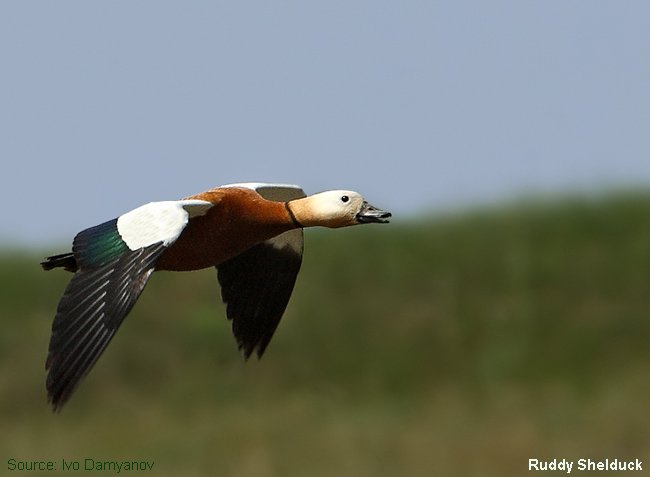
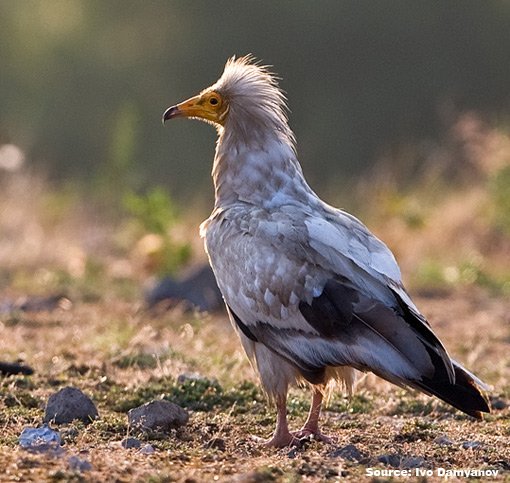
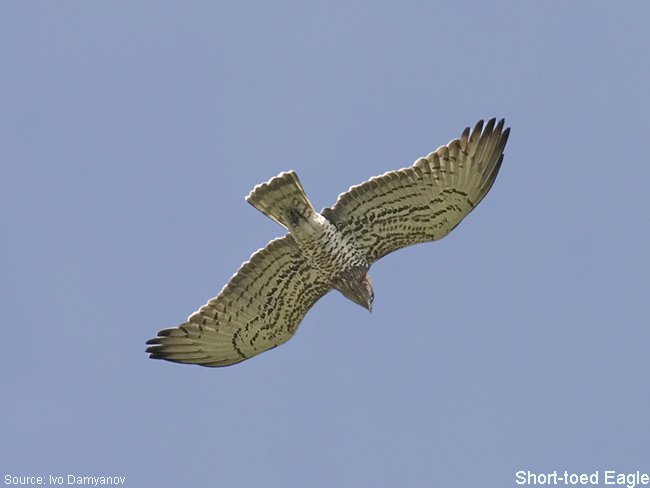
This exciting tour to the most beautiful birding locations of Bulgaria presents a large array of South-Eastern specialities to the eager eye of the birdwatcher, among them the Paddyfield, Olive-tree, Olivaceous, Barred, Orphean, Sub-alpine and Eastern Bonelli´s Warblers, Masked, Woodchat and Lesser Grey Shrikes, Pallid Swift, Crag Martin, Red-rumped Swallow, Rose-coloured Starling and other unusual passerines like Rock Nuthatch, Sombre Tit, Blue and Rufous-tailed Rock Thrushes, Ortolan, Black-headed and Rock Buntings. Woodpeckers are well represented too, with Syrian, White-backed, Black and Middle Spotted ones being some of the most interesting. There is a good chance of seeing Eagle Owl, Capercaillie,Chukar and Rock Partridge. The Western Rhodopes present us with major tour highlights where the exquisite Wallcreeper is seen. The impressive canyons of the Eastern Rhodope Mountains are on the top of Europe´s list of locations for birds of prey, where in spring more than 20 raptor species can be seen, among them: Golden, Lesser-Spotted, Short-toed, Booted, and Eastern Imperial Eagles, Long-legged and Honey Buzzards, Griffon, Black, and Egyptian Vultures.
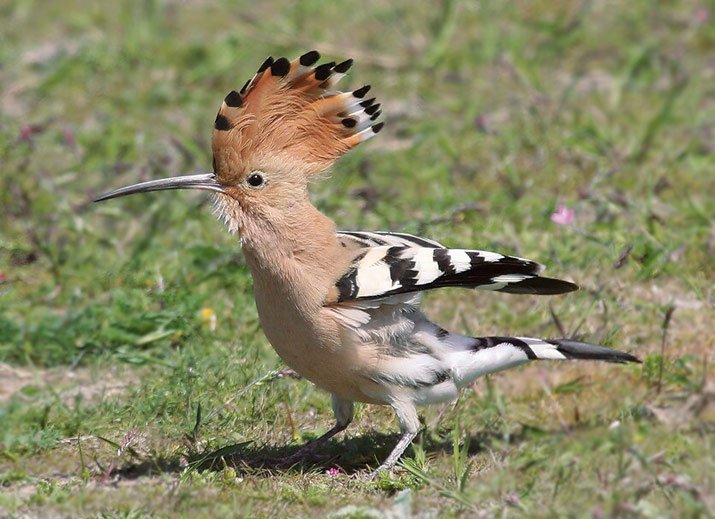
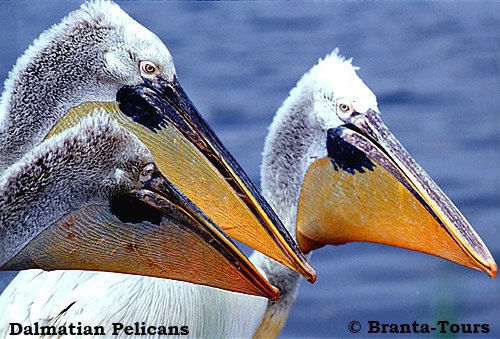
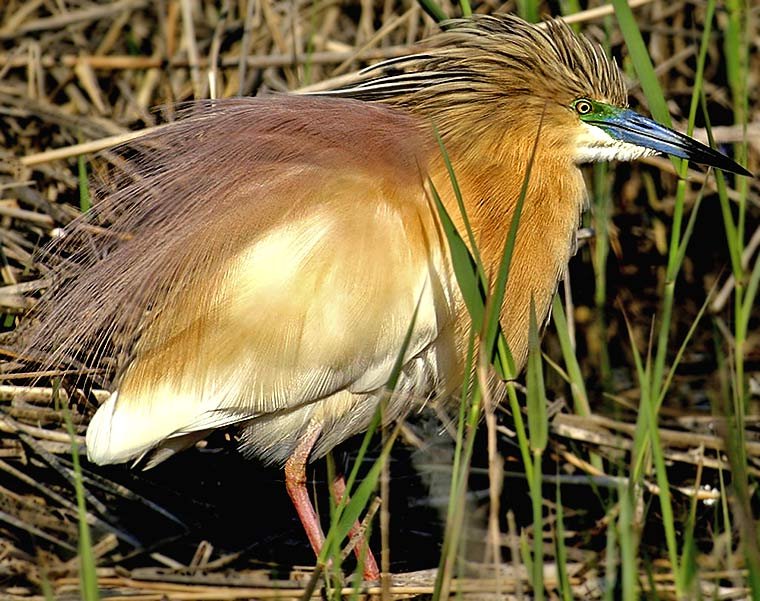
As an extra sight birdwatchers will see the cliff-nesting population of Black Storks and, with a good luck, Saker Falcon. Our tour also includes an excursion to the Kamchia River to explore its famous riverine forest. Strandja and Sakar Mountains, Black Sea coast and the region of South Dobrudja are some of the key locations to be visited. The steppes of Kaliakra are the favourite habitat for the Red-footed Falcon, Hoopoe, Pied, Isabelline and Finsch´s Wheatears, Calandra and Short-toed Larks, Tawny Pipit, Black-headed Bunting and, especially in the evening, Stone Curlew, whilst Long-legged Buzzard breeds on the cliffs. Two rare mammals also occur there, the Marbled Polecat and Romanian Hamster and a botanical speciality of the site is the Broad-leaved Peony. Kaliakra is also an archaeological monument, the site of ancient dwellings and fortresses revealing more than 2500 years of human habitation. Lakes Shabla and Durankulak in the north, and Burgas and Atanasovsko in the south are major wetlands to be visited and riparian forest of Ropotamo will broaden the habitat theme. We shall finally travel up to the Srebarna Biosphere Reserve by the Danube River, for close views of Dalmatian Pelicans, Pygmy Cormorants, Spoonbills, Glossy Ibis, Squacco and other herons. On our trip we will also catch views of the famous passage of migratory birds along the Via Pontica flyway such as White Pelicans, Black Storks and Raptors. Waders feature Terek, Marsh and Broad-billed Sandpipers. Ruddy Shelduck and Ferruginous Duck are among notable waterfowl. A final excursion to the Vitosha Nature Park, offers a unique opportunity to see Nutcracker, Alpine Accentor, Shore Lark and Water Pipit and, thus, bird list promises to be the longest for any European tour.


Dates: late April/early May, middle of May, late May/early June.

* Promotional statement:

We offer a 5 percent discount to anyone who books a place (and sends deposit) by 31 December.

Group size: 3 to 10 people.

Itinerary
Day  1 : Sofia - Kresna
Day  2 : Kresna - Rupite
Day  3 : Kresna - Pamporovo - Devin
Day  4 : Devin - Trigrad - Kardjali
Day  5 : Kardjali - Madzharovo
Day  6 : Madzharovo - Studen Kladenetz
Day  7 : Madjarovo - Pomorie
Day  8 : Pomorie Saltpans - Burgas Wetlands
Day  9 : Burgas - Poda, Alepu & Ropotamo, Strandja
Day 10: Burgas - Pomorie - Cape Emine - Kamchia - Durankulak
Day 11: Durankulak, Shabla, Durankulak
Day 12: Kaliakra, Bolata, Yailata, Durankulak
Day 13: Durankulak - Srebarna
Day 14: Srebarna - Sofia
Day 15: Vitosha Mountain - Airport

Day 1
Flight out to Sofia to be met by your knowledgeable local guide, then make 100 km to a lovely and traditional wine-producing village in the south-western corner of the country, nestled in a picturesque gorge. It is located between three majestic Mountains bordering Macedonia and Greece. Stop off en route to explore some outstanding birding locations. Traditional restaurant dinner and overnight stay at a beautiful local guesthouse.

Day 2
From our base we explore the beautiful countryside. Here is the right place in Europe to see several South-Eastern specialities: Masked and Woodchat Shrikes, Red-rumped Swallow, Crag Martin, Olive-tree, Olivaceous, Barred, Orphean and Sub-alpine Warblers, Sombre Tit, Ortolan, Black-headed and Rock Buntings.
The day will end with an exploration of two adjacent Mediterranean-like areas, located in the bosom of an ancient volcanic cone near the border of Greece. The cone is bisected by the river Strouma. Here, we will look for Rock Partridge, Blue and Rufous-tailed Rock Thrushes and other unusual passerines like Rock Nuthatch, Black-eared Wheatear and Rock Sparrow. Eastern Four-lined Ratsnake, Leopard Snake and two species of tortoises are among notable local reptiles, which also feature in the tour. Picnic lunch, traditional restaurant dinner and overnight stay at a beautiful local guesthouse.

Day 3
We take a four-hour drive to an impressive canyon in the Western Rhodopes Mountain, the kingdom of the exquisite Wallcreeper and Orpheus flower (Haberlea rodopensis), which is a unique Bulgarian endemic. En route, we will see the open landscapes gradually changing to riverine valleys. Long-legged Buzzards, Red-backed Shrikes, Spanish Sparrows, Balkan Wagtails, Black-headed and Ortolan Buntings are among birds we look for, also keeping an eye out for mammals and reptiles. In the villages before the mountains we will look for White Storks, Little Owls and Syrian Woodpeckers, whilst the mountain streams hold White-throated Dipper and Grey Wagtail. Overnight stay in a cosy guesthouse.

Day 4
After breakfast, we will take an hour drive to the very picturesque gorge, which is one of the best places in Europe to look for the delightful Wallcreeper. Peregrine Falcon, Short-toed Eagle, Alpine and Pallid Swifts, Crag Martin and Rock Bunting can also be found there. Late in the afternoon, we will drive to the Eastern Rhodope Mountains and spend the next three days a in a charming mountain village.

Day 5-6
We will explore the Eastern Rhodopes with their exceptional diversity of raptors including 3 species of vulture, Booted and Short-toed Eagles, Peregrine Falcon, Hobby, Long-legged Buzzard, Levant Sparrowhawk and Goshawk, and, with a good luck, Saker Falcon and Eastern Imperial Eagle. We will be exploring the impressive volcanic canyons of Studen Kladenetz dam and the Arda River valley, with their cliff-nesting populations of Black Storks. Vultures will be watched at a special feeding platform, the so-called "Vulture restaurant" where a hide for carrying out observations has been built. Eastern Imperial Eagle, Golden Eagle, Black Kite and other appetising raptors are also being attracted to this feast. Apart from raptors, the Eastern Rhodopes also offer an amazing diversity of bird life and our thirst for new sights & species will indeed be quenched after the intensive encounters and observations of different small passerines such as: Masked and Woodchat Shrikes, Red-rumped Swallow, Olive-tree, Olivaceous, Barred, Orphean and Sub-alpine Warblers, Alpine and Pallid swifts, Crag-martin, Rock Nuthatch, Isabelline and Black-eared Wheatears, Sombre Tits, Rufous-tailed Rock Trush and many others. Two day overnight stay in a charming hotel overlooking the vulture valley.

Day 7
After breakfast transfer (150 miles) to the Southern Black Sea coast. For the next three nights our base is a small port just a few miles to the north of Burgas. Barred and Eastern Bonelli´s Warblers, Grey-headed and Middle Spotted Woodpeckers, Bee-Eaters, Rollers, Woodchat Shrikes, Golden Oriols, Cirl and Corn Buntings, are among bird species we look for, with a possibility of Eastern Imperial Eagle in the Sakar Mountain. We stop off to explore the coastal section of Strandja Natural Park, close to the Turkish border. Breeding birds include Black Stork, Black and Middle Spotted Woodpeckers, Goshawk and Lesser Spotted Eagle, Short-toed Treecreeper and other small passerines.
Dinner and first night in a charming family hotel overlooking the Black Sea.

Next

Original source: tfsb2


Bulgaria´s premier bird location with more than 300 bird species recorded.

Day 8 & 9
Today´s exploration of nearby Lake Atanosovsko and surrounding saltpans promises a phenomenal range and quantity of birds - far too numerous to list! This is Bulgaria´s premier bird location - in fact one of Europe´s principal ´hot spots´ and one of the country´s ten "Ramsar" sites. The 1690 ha. complex includes extensive saltpans, freshwater pools, marshes and areas of scrub and semi-steppe. The reserve´s position on the east European Via Pontica flyway attracts a great variety of migrants in spring and autumn. More than 300 bird species have been recorded here. We will be able to enjoy the spectacle of the lake´s breeding birds, including some hundreds of Avocets, Black-winged Stilt, Collared Pratincole (Black-winged have been seen here too!), Kentish Plover, Gull-billed Tern, Mediterranean and Slender-billed Gulls, Sandwich and Little Terns, Marsh Harrier and Penduline Tit. Caspian Tern and Squacco Heron are also seen at this season, and we may turn up Marsh, Broad-billed and Terek Sandpipers. Cetti´s Warbler and Little Bittern breed in the reedbeds, and Black-headed Buntings, Balkan Wagtails and Red-backed Shrikes are numerous on fields surrounding the lake.
South of Burgas we visit the reed-fringed Lakes Mandra and Poda with flanking water meadows and woodlands. The reedbeds of Poda host a mixed breeding colony of Spoonbill, Purple, Squacco and Night Herons, Little Egret, Glossy Ibis and Pygmy Cormorants. Further along we reach Alepou marsh wetland and look for White-tailed Eagle, Honey Buzzard and foraging Little Egrets, Glossy Ibis and Squacco herons. In the late afternoon we visit the Ropotamo river wetland complex and explore the wooded mountains of Strandja, where we look for Lesser Spotted Eagle, White-backed Woodpecker, Eastern Semi-collared Flycatcher and Woodlarks.


Day 10
After breakfast transfer (120 miles) to our unique lakeside accommodation at Branta Birding Lodge situated on the Northern Black Sea coast, just 3 miles from the Romanian border. Heading north we pause at the Salinas of Pomorie to see the usual show of waders. The adjacent small village is one of the best places in Europe to see the breeding colonies of Rose-coloured Starlings. An hour will be spent in the ancient town of Nessebar featuring a great deal of traditional architecture. Birds on the scene include the Yelkouan Shearwater, Yellow-legged Gull and its sub-species michahellis. Continuing north the route ascends through the wooded hills of Eastern Balkan mountain range, bringing us to our next stop at Cape Emine. Reaching cliff-top scrub above the sea we look for cetaceans. Breeding birds include Sombre Tit, Rock Bunting, Masked and Woodchat Shrikes, Wood Lark, Tawny Pipit, Barred, Olive-tree and Olivaceous Warblers. In the afternoon we stop off to explore the Kamchiya Reserve with its remarkable alluvial or Longoz forest, one of the most northerly of its kind in Europe. The reserve complex, totalling about 1500 ha, includes dunes, beach, estuary and small freshwater pools. This is an area of considerable botanical interest. Breeding birds include Semi-collared Flycatcher, Short-toed Treecreeper, Black, Grey-headed and Middle Spotted Woodpeckers, Goshawk, Lesser Spotted Eagle, Long-tailed Tit, Wood and Icterine Warblers.
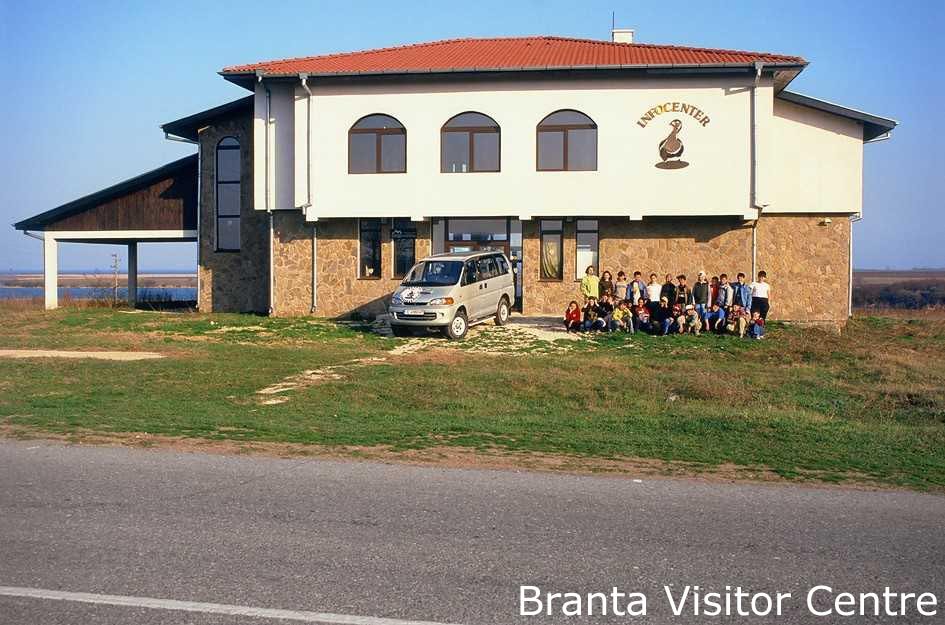
The Branta Birding Lodge, overlooking Durankulak Lake, is our exceedingly comfortable fledgling base for the next three nights where we will enjoy its splendid overview and visit its exhibition including detailed photographic and cartographic materials.


Day 11
After breakfast, drive south (12 miles) to explore Shabla Lake. Likely bird sightings en route include Calandra Lark, Yellow Wagtail and Syrian Woodpecker. We will spend the morning at Shabla Touzla - a small, high salinity lake, famous for the curative properties of its mud. Here we can see Little Tern, Red-footed Falcon, Barred Warbler, Lesser Whitethroat, Olivaceous Warbler, Reed Bunting, Broad-billed and Marsh Sandpiper and Little-ringed Plover.
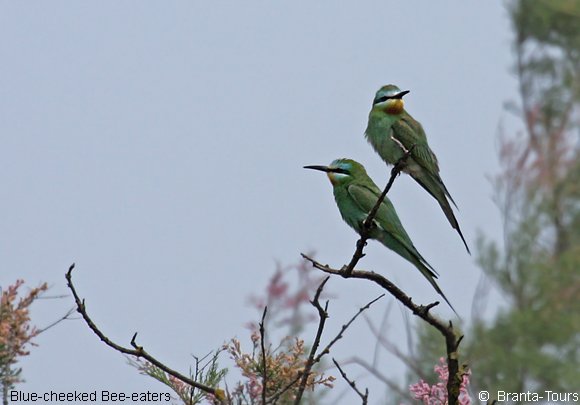
After lunch, we drive back to explore Lake Durankulak, a "Ramsar" site and "location of outstanding natural beauty" close to the Rumanian border and fringing on the Black Sea itself. Durankulak is famous for its most important wintering location for geese and ducks including the globally threatened Red-breasted Goose. At this season we look for Paddyfield, Marsh and Savi´s Warblers, Red-necked Grebe, Whiskered and Black Terns, Red-crested Pochard and Bearded Tit. The brackish waters and huge reed beds hold also Moustached Warbler, Pygmy Cormorant, Ruddy Shelduck, Bittern and Little Bittern, Purple Heron, Ferruginous Duck and much else. On fields near the lake we should see the Balkan sub-species of the Yellow Wagtail, the beautiful black-headed feldegg race, while Barred and Marsh Warblers often sing from patches of scrub. Tall hedges and windbreaks in the vicinity of the lake hold good numbers of Red-footed Falcons and Lesser Grey Shrikes. The adjacent steppe and its surrounds hold Collared Pratincole, Stone Curlew, Calandra Lark, Barred Warbler, Syrian Woodpecker, Bee-Eater and Roller.

Return to our base for dinner and second night at Branta Birding Lodge.


Day 12
After breakfast, we set off to spend the day exploring Cape Kaliakra, and its surrounds. Set in the largest surviving area of virgin steppe in Bulgaria, Kaliakra is also an archaeological monument, the site of ancient dwellings and fortresses covering more than 5500 years of human occupation.
The 70-m high cliffs make an excellent vantage point for Dolphin watching, whilst the abrupt westward turn of the coast here results in concentrations of migrating birds. The steppe, which runs up to the edge of the cliffs, is rich in plant species including Narrow-leaved Peony and three endemics. Kaliakra is the only breeding site in Europe for the exceedingly rare Finsch´s Wheatear. More certain species of the steppe are Calandra Lark, Short-toed Lark, Tawny Pipit, Roller and, especially in the evening, Stone Curlew, whilst some south-eastern specialties like Red-Rumped Swallow, Long-legged Buzzard, Pied and Isabelline Wheatears breed on the cliffs, alongside the desmaresti sub-species of Shag, also Eagle Owl, Rufous-tailed Rock Trush and Alpine Swift.
In scrubby areas we should find Olive-tree Warbler and we may just see a Levant Sparrowhawk.
The afternoon will be spent at "Yailata", like Kaliakra an archaeological reserve, fronted by splendid sea-cliffs against a hinterland of steppe. The area holds Hobby, Hoopoe, Pied Wheatear, Calandra and Short-toed Larks, Tawny Pipit, Ortolan, Black-headed Bunting, Barred, Olive-tree and Olivaceous Warblers. Two rare mammals occur here, the Steppe Polecat and Romanian Hamster and a botanical speciality of the site is the Broad-leaved Peony.
Return to Durankulak for dinner and last night in our fledgling base.

Day 13
After breakfast we travel up to the Srebarna Biosphere reserve (UNESCO site) by the Danube River, for close views of Dalmatian Pelican breeding colony. There is also good chance of White-tailed Eagle. The reedbeds of the reserve host a mixed breeding colony of Spoonbill, Purple, Squacco and Night Herons, Little and Great White Egrets, Glossy Ibis and Pygmy Cormorants. Further along we reach Garvan marsh and look for breeding Red-necked and Black-necked Grebes, Ferruginous Ducks, Greylag geese, Whiskered Terns, King Fishers, Bee-Eaters, Rollers, Hoopoes, Penduline and Bearded Tits, Savi´s and River Warblers. Woodpeckers are well represented (Grey-headed, Black, Syrian and Middle Spotted), other passerines include Crested and Wood Larks, Lesser Grey Shrike and Corncrake.
Overnight in a cosy guesthouse, situated just close to the reserve.

Day 14
After breakfast we continue west through the undulated Danube lowlands crossing Bulgaria´s varied and picturesque countryside. Later we drive up to the Balkan mountain range where, we spend an hour in an old Bulgarian village and look in surrounding areas for Golden Eagle, Sombre Tit and Alpine Chough. After our full circle tour of this amazing and colourful country we return to Sofia.
Overnight in a charming hotel high on Vitosha Mountain.

Day 15
After breakfast we explore the mountain zone of Vitosha Nature Park, looking for Nutcracker, Common Crossbill, Alpine Accentor, Shore Lark and Water Pipit.
Afterwards, we take the short trip to the Sofia Airport for the late afternoon return flight.

* This tour can be divided into two shorter tours as well as changed by canceling some days depending on participants´ wishes. It is also possible to operate the tour along the route back, i.e. instead of heading to the south after arriving at Sofia; we can start first to the north and the first birding location to be Srebarna Biosphere Reserve. It is also possible to combine the Dobrudja stopover with a single excursion or two day-trip to Romania where we can observe some interesting species such as Great Black-headed Gull or even Saker Falcon. For this we fly to Constantza to explore first the Southern part of the Danube Delta and the Romanian Black Sea coast.

We also offer the possibility to make same tour in early spring when we can watch Capercaillie´s leks in western Rhodopes Mountains as well as many interesting spring migrants like those along the Via Pontica Flyway: Citrine Wagtail, Jacksnipe, Demoiselle Crane, Mustached Warbler, Little Crake, as well as many migrating Raptors, Pelicans, Storks and waders.

* It has never been easier to reach the Bulgarian Black Sea as British Airways now flies direct to VARNA (just south of Albena). Another option could be to take a charter flight offered by Balkan Holidays from May to September. It is also possible to fly to Burgas or Bucarest. For this we take an extra charge of EUR 150 to cover the tour leader´s travel expenses.

Book now!

Tour Info

Note: Final dates, prices and detailed daily routing should be confirmed with Branta Tours before publication or booking.
Trip Type
14 Days Fortnight route